

There is a paragraph in The Little Prince by Antoine de Saint-Exupéry about grownups asking wrong questions. Can AI write something as clear as human? In the experiment I asked an AI to write one paragraph as it was part of the story or a novel about the idea that “grown-ups care about numbers and facts and not about who person is”. I asked to write in its own voice without quoting or mimicking existing author.
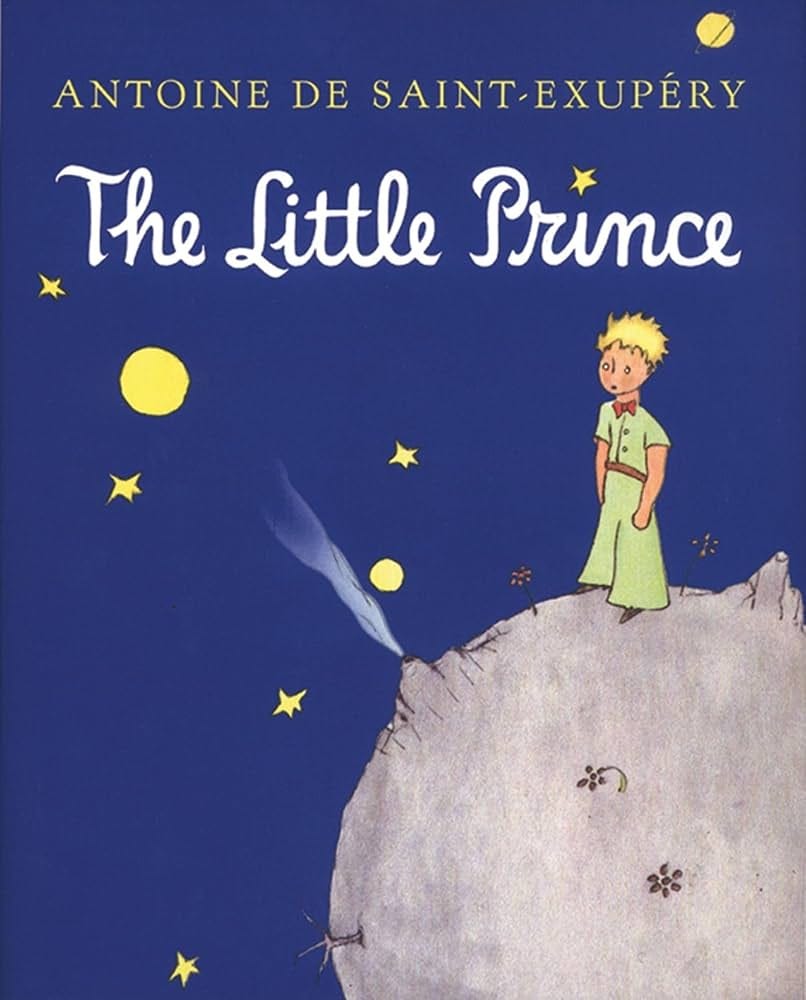
Antoine de Saint-Exupéry
When you tell them that you have made a new friend, they never ask you any questions about essential matters. They never say to you, “What does his voice sound like? What games does he love best? Does he collect butterflies?” Instead, they demand: “How old is he? How many brothers has he? How much does he weigh? How much money does his father make?” Only from these figures do they think they have learned anything about him.
Claude Opus 5.5 by Anthropic
When I told my aunt about my new friend Teodor, she asked how old he was, what his father did for work, and how many rooms were in their apartment. I stood in her kitchen with my mouth half open, because none of those things were Teodor. Teodor was the boy who kept a snail in a matchbox and named it after a general. He could whistle through a blade of grass so loudly that pigeons scattered from the rooftops, and he cried once, secretly, when the old dog on Linden Street stopped coming to the fence. But my aunt only nodded when I finally said, “He’s eleven, his father drives a tram, and they have three rooms.” Then she smiled as if she now understood him completely, as if a boy could be folded neatly into three numbers and filed away in a drawer. I remember thinking that grown-ups must lose something as they get taller, some small window behind the eyes that lets them see people instead of measurements. And I remember promising myself, with all the seriousness a child can gather, that when I grew up I would ask different questions: not how much or how many, but what makes you laugh, and what are you afraid of, and what do you keep in your matchbox.
GPT-6 Luna by OpenAI
The grown-ups kept their numbers in neat columns: rent due, miles driven, hours slept, grades earned. They asked how old I was before they asked what I liked, and how much the broken window would cost before they asked why I’d thrown the stone. I tried telling them I was lonely, but they wrote down the date and called it a difficult week. So I learned to answer in figures, too—three missed calls, zero birthday cards, one person sitting awake in the dark—though nobody ever asked me to add them up.
Gemini Flash 3.6 by Google
Whenever a newcomer arrived in the neighborhood, the adults never asked if they had a good laugh, what their favorite morning smell was, or whether they stayed up late watching the rain slick against the window; instead, they immediately pulled out their invisible tape measures to gauge the man’s salary, the square footage of his home, and the precise age of his car, as though a person were nothing more than a ledger entry to be calculated rather than a soul to be known.